What Makes Salmorejo Special?
If you are searching for the best salmorejo near me, you are likely craving the refreshing, velvety, and soul-satisfying taste of this Andalusian classic. Salmorejo is not just another soup; it embodies a rich cultural history, a distinct set of ingredients, and a unique preparation method that sets it apart in the crowded landscape of Spanish cuisine. While gazpacho may receive more international acclaim, salmorejo’s creaminess and depth of flavor create an experience that enchants anyone lucky enough to savor it. This meticulous guide will take you through what makes salmorejo truly special, how to find it locally, and even how to recreate this dish from the comfort of your own kitchen.
The Rich History of Salmorejo
Salmorejo has its roots deeply embedded in the southern region of Spain, particularly in the province of Córdoba. This dish dates back to the 19th century, with peasant origins where the primary ingredients were accessible and affordable. Traditionally, it was a way to make use of stale bread and overripe tomatoes, showcasing the ingenuity of rural cuisine. Over the years, salmorejo has gained recognition beyond its humble beginnings, evolving into a staple in both local and international gastronomy. Its continued popularity is a testament to its unique flavor and satisfying texture that resonates with food lovers around the globe.
Key Ingredients and Their Importance
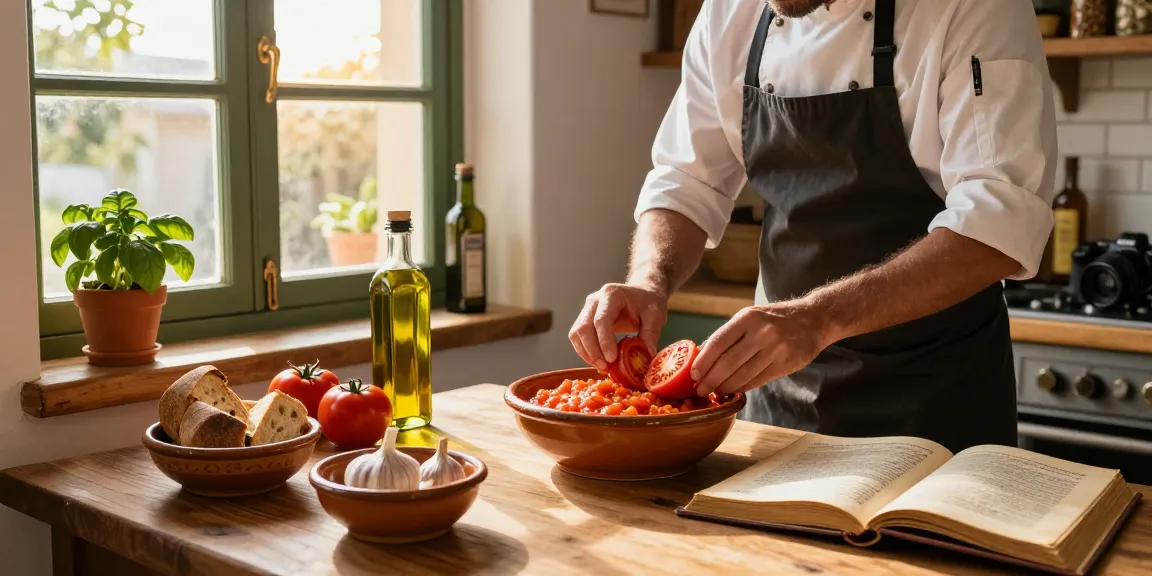
The heart of salmorejo lies in its simple yet high-quality ingredients: ripe tomatoes, stale bread, extra virgin olive oil, garlic, and sherry vinegar. The tomatoes form the base, offering a rich, sun-kissed flavor that is crucial for the soup’s overall taste. The bread, often a special type from Córdoba, is essential for achieving the thick, velvety texture that distinguishes salmorejo from gazpacho. Finally, the extra virgin olive oil adds a luxurious creaminess, while garlic delivers a flavor punch and sherry vinegar provides acidity to balance the richness. The beauty of salmorejo is that it’s effortlessly refined, combining these straightforward ingredients to create something truly extraordinary.
Traditional vs. Modern Preparation Techniques
While traditional salmorejo is made using a mortar and pestle, modern methods have shifted towards using blenders for convenience. However, the technique of emulsifying the olive oil into the soup remains a crucial aspect of preparation. This step not only enhances the creaminess but also ensures that the flavors meld beautifully. Some chefs now experiment with additional ingredients like herbs or different types of bread, offering modern twists on this classic dish while still honoring its roots.
How to Find the Best Salmorejo Near Me
Finding authentic salmorejo can be an adventure in itself, especially in the diverse culinary landscape of the United States. This dish is often a feature on menus of specialized Spanish restaurants and tapas bars. Here are some effective strategies to locate the best chefs serving this Andalusian delicacy:
Tips for Locating Authentic Restaurants
- Seek Out Tapas Bars: Look for restaurants that focus on Spanish tapas as they are more likely to offer authentic salmorejo.
- Check Reviews: Online platforms such as Yelp or TripAdvisor can provide insights into restaurants’ specialties, highlighting those that excel in traditional cuisine.
- Ask Locals: Engaging with local food enthusiasts or Spanish expatriates can lead you to hidden gems that may not be widely known.
Top Rated Spanish Spots Known for Salmorejo
While the availability of salmorejo can vary, several highly rated establishments across the USA have made a name for themselves by serving outstanding versions of this iconic soup. Restaurants such as “La Taberna” in New York City and “Casa Mono” in Los Angeles consistently receive praise for their dedication to authentic Spanish cuisine, showcasing salmorejo as a must-try item on their menu.
Utilizing Local Reviews and Recommendations
Utilize social media platforms and local food blogs to uncover recommendations for where to find the best salmorejo. Many foodies share their experiences, often highlighting unique presentations or flavor profiles that can enhance your search. Participating in local culinary groups can also provide valuable insights.
How to Make Authentic Salmorejo at Home
For those who want to savor salmorejo but cannot find it nearby, why not try making it at home? With fresh ingredients and a little patience, you can create a delicious version of this traditional dish. Here’s what you will need:
Essential Equipment for Preparing Salmorejo
- Blender or food processor: For achieving the smooth, creamy texture.
- Mixing bowl: To combine the ingredients before blending.
- Measuring cups and spoons: For precise ingredient measurements.
Step-by-Step Recipe Instructions
- Gather the ingredients: 500g of ripe tomatoes, 100g of stale bread, 100ml of extra virgin olive oil, 1-2 cloves of garlic (to taste), 30ml of sherry vinegar, and salt.
- Begin by soaking the stale bread in water for a few minutes; then, squeeze out the excess water.
- In the blender, combine the tomatoes, soaked bread, garlic, and a pinch of salt. Blend until smooth.
- While blending, slowly drizzle in the olive oil to emulsify and achieve creaminess.
- Add the sherry vinegar and blend again to combine. Taste and adjust seasoning if necessary.
- Chill in the refrigerator for at least an hour before serving.
- Serve in bowls, garnished with finely diced hard-boiled eggs and jamón serrano if desired.
Common Mistakes and How to Avoid Them
One common mistake is using insufficiently ripe tomatoes; always opt for the ripest tomatoes for the best flavor. Additionally, be cautious with the olive oil; too much can overpower the dish, while too little can make it lack creaminess. Finally, avoid rushing the emulsification process; blend slowly to allow the ingredients to combine into a smooth mixture.
Frequently Asked Questions About Salmorejo
Is Salmorejo the Same as Gazpacho?
No, salmorejo and gazpacho are distinct dishes. Salmorejo is thicker and creamier, primarily due to the higher bread content and the absence of cucumbers or peppers, which are typically found in gazpacho.
Why Is My Salmorejo Not Creamy?
The key to a creamy salmorejo is the proper emulsification of the olive oil with the other ingredients. Make sure you use high-quality extra virgin olive oil and blend it slowly to achieve the desired texture.
Can I Make Salmorejo Vegan?
Yes, salmorejo can easily be made vegan! Simply omit the traditional toppings of jamón serrano and hard-boiled eggs. You can substitute them with diced green apples, toasted almonds, or a drizzle of premium olive oil for added flavor.
The Future of Salmorejo in Culinary Trends
Emerging Variations and Modern Twists
As culinary trends continue to evolve, salmorejo is experiencing inspiring interpretations. Chefs are experimenting with various herbs, spices, and toppings, creating contemporary versions that remain true to the essence of the dish while appealing to modern palates.
Pairing Salmorejo with Other Dishes
This delectable soup pairs wonderfully with various dishes, including crusty bread, Spanish cheese platters, or even seafood tapas. It acts as a refreshing complement, enhancing the flavors of other Spanish offerings.
Exploring Salmorejo’s Popularity Outside Spain
In recent years, salmorejo has garnered attention outside of Spain, with many international chefs incorporating it into their menus. As culinary globalization continues, expect to see salmorejo making its way into fusion dishes and gaining fans worldwide.
Conclusion
Finding the best salmorejo near me is more than just a quest for a delicious dish; it is a journey into the heart of Spanish gastronomy. Whether you savor it at a reputable tapas bar or recreate it in your kitchen using fresh tomatoes and premium olive oil, salmorejo is a celebration of simplicity and flavor. As you explore this delightful dish, remember the rich history and cultural significance behind it, and enjoy every velvety bite!