Posted on

How to Track and Measure Metal Detector Success for Packaging Efficiency in 2026

Metal Detector integrated into automated packaging line ensuring quality in food production

Understanding the Role of Metal Detectors in Packaging

In the highly regulated world of packaging, especially in the food sector, the use of metal detectors has become a fundamental element of quality control. These devices not only ensure the integrity of products but also safeguard consumer health and enhance brand reputation. Metal detectors can identify ferrous, non-ferrous, and stainless steel contaminants, thus preventing potential recalls and legal issues. When exploring options, Metal Detector solutions from top suppliers, such as Al Thika Packaging, can streamline your packaging processes by integrating advanced safety measures.

What is a Metal Detector and How Does it Work?

A metal detector is an electronic device that identifies the presence of metal contaminants in various materials. It works by generating an electromagnetic field that detects metallic objects as they pass through the detector. Once a metal object is detected, an alert signals the operator, allowing for immediate corrective action. The precision of modern metal detectors has improved dramatically over the years, thanks to advancements in technology and engineering, which has made them indispensable in the packaging industry.

The Importance of Quality Assurance in Packaging

Quality assurance is critical in the packaging industry, particularly for food and pharmaceutical products. Metal contamination can occur at any point during the production process, and a single oversight may lead to serious consequences such as product recalls or consumer health issues. Implementing metal detectors as part of a comprehensive quality assurance strategy not only improves safety but also enhances operational efficiency. By reducing the risk of contamination, companies can protect their brand reputation and avoid costly legal ramifications.

Common Applications of Metal Detectors in Food Packaging

Metal detectors are widely used in various sectors of food packaging. Common applications include:

  • Meat and Poultry: Ensuring that no metal fragments from machinery end up in finished products.
  • Bakery Products: Detecting metal contaminants in bread, pastries, and other baked goods.
  • Confectionery Packaging: Identifying foreign metal objects in chocolates and candies.
  • Dry Goods: Used in the packaging of cereals, grains, and spices to ensure purity.

These applications illustrate the versatility and critical importance of metal detectors in maintaining product integrity across diverse food categories.

Choosing the Right Metal Detector for Your Packaging Needs

Key Features to Consider When Selecting a Metal Detector

When choosing a metal detector, several features should be taken into account to ensure optimal performance:

  • Detection Sensitivity: The ability to identify small metal contaminants is critical, particularly for food products.
  • Frequency Range: Different frequencies may deliver better results depending on the type of material being inspected.
  • System Integration: Ensure that the metal detector can seamlessly integrate with existing packaging machinery.
  • Data Logging: The ability to log detection data for compliance and analysis is crucial for quality control.

Comparing Metal Detector Types: Conveyor vs. Handheld

Metal detectors are available in various types, with conveyor and handheld detectors being the most common. Conveyor metal detectors are designed to be integrated into production lines, allowing for continuous inspection of products as they pass through. Handheld models, on the other hand, are portable and ideal for spot checks or inspections in hard-to-reach areas. Your choice will largely depend on your operational needs, budget, and the nature of the products being packaged.

Integration of Metal Detectors Into Existing Systems

Integrating metal detectors into existing packaging lines can enhance efficiency and reduce contamination risks. It is essential to choose models that are compatible with your current machinery. Working with suppliers experienced in installation, like Al Thika Packaging, can ensure that your systems are seamlessly connected, offering real-time data and alerts during production.

Best Practices for Implementing Metal Detectors

Setting Up Metal Detectors for Optimal Performance

To maximize the effectiveness of metal detectors, it is important to set them up correctly. This includes positioning the detectors at the right place in the production line, ensuring adequate spacing for product flow, and calibrating the devices according to the specific products being inspected. Regular testing using test pieces of known contaminants can also help in verifying detection capabilities.

Regular Maintenance and Calibration Procedures

Maintenance is essential to ensure that metal detectors perform at their best. Regular calibration checks should be scheduled to maintain sensitivity and avoid false positives. Maintenance tasks may include cleaning the unit, inspecting for wear and tear, and ensuring that the electromagnetic field is functioning properly. A documented maintenance schedule can also assist in compliance with industry standards.

Employee Training for Effective Use of Metal Detectors

Proper training for employees on the use of metal detectors is vital. Staff should understand how to operate the devices, interpret alerts, and respond to potential contaminants quickly. Conducting regular training sessions and updates helps maintain a culture of safety and quality assurance within the organization.

Measuring the Success of Metal Detectors in Packaging

Key Performance Indicators for Metal Detection Systems

To assess the effectiveness of metal detection systems, several key performance indicators (KPIs) should be monitored:

  • Detection Rate: Percentage of successful identifications of metal contaminants.
  • False Positive Rate: Frequency of alerts triggered by non-metal items.
  • Downtime: Total time the system is offline due to maintenance or malfunctions.
  • Inspection Throughput: The number of products inspected in a given timeframe.

Assessing ROI: Cost-Benefit Analysis of Metal Detectors

Investing in metal detectors can seem daunting, but a thorough cost-benefit analysis can reveal substantial returns on investment (ROI). By preventing costly product recalls, legal issues, and enhancing brand reputation, metal detectors can deliver significant long-term savings. Consider evaluating potential ROI based on reduced contamination incidents, improved quality assurance processes, and increased consumer trust.

Adapting Strategies Based on Inspection Data

Utilizing the data collected from metal detection systems can help companies adapt their strategies for improved efficiency and safety. Trends in contamination types or frequencies could inform operational adjustments, supplier evaluations, or even product redesigns. Regular reviews of this data can lead to ongoing improvements in quality assurance practices.

Future Trends in Metal Detection for Packaging

Emerging Technologies in Metal Detection Systems

As technology evolves, so too do metal detection systems. Emerging technologies, including AI and machine learning, are set to revolutionize how detection systems operate. These advancements can enhance detection capabilities, minimize false positives, and improve data analytics for quality assurance processes. Companies should remain vigilant for such innovations to maintain a competitive edge.

Sustainability and Environmental Considerations in Packaging

With increasing scrutiny on environmental impacts, the future of packaging will be influenced by sustainability considerations. Packaging industries are moving towards biodegradable materials and eco-friendly packaging solutions. Metal detectors that can effectively work with these new materials will become essential. Companies that adopt sustainable practices and technologies will likely find favor with environmentally conscious consumers.

Predictions for the Packaging Industry in 2026 and Beyond

Looking ahead to 2026, the packaging industry is expected to become increasingly automated and digitized. With the rise of the Internet of Things (IoT), more connected devices will lead to enhanced data collection and analysis. The integration of metal detectors with IoT technology will allow for real-time monitoring and proactive decision-making, setting new industry standards for safety and efficiency.

What types of products benefit most from metal detection?

Metal detectors are particularly beneficial for products that are susceptible to contamination during processing, such as meat, poultry, baked goods, and confectionery items. These products not only require rigorous safety standards but also need to maintain their quality throughout the packaging process.

How often should metal detectors be calibrated?

It is generally recommended that metal detectors be calibrated at least once a week, although specific requirements may vary depending on the volume of production and the sensitivity settings of the detectors. Regular calibration ensures optimal performance and accuracy, preventing costly errors.

What are the consequences of not using a metal detector in packaging?

Failure to implement metal detectors can lead to severe consequences, including product recalls, legal liabilities, damage to brand reputation, and health risks for consumers. The lack of preventive measures can also result in increased operational costs related to compliance with safety regulations.

Can metal detectors improve production efficiency?

Yes, metal detectors can significantly enhance production efficiency by minimizing downtime associated with contamination incidents. By detecting metal contaminants early in the packaging process, companies can prevent further processing and reduce the risk of costly recalls, thereby improving overall productivity.

How do I choose a reliable supplier for metal detection systems?

When selecting a supplier for metal detection systems, consider factors such as their industry experience, product range, customer reviews, and technical support services. A supplier like Al Thika Packaging, known for its comprehensive solutions, can assist in choosing the right metal detector suited to your needs and ensure seamless integration into your production line.

Posted on

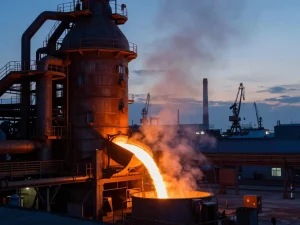
Advancements in Heavy Industry: Engineering for the Future

Heavy Industry and Engineering

Fundamentals of Heavy Industry

Heavy industry forms the backbone of modern economies, playing a pivotal role in the production and manufacturing of goods that are essential for daily life and technological advancement. This sector encompasses a broad range of activities, from the extraction of raw materials to the production of heavy machinery and infrastructure development. Understanding the fundamentals of heavy industry is crucial for professionals, students, and stakeholders involved in engineering and manufacturing.

Definition and Scope of Heavy Industry

Heavy industry refers to the large-scale manufacturing processes that involve the transformation of raw materials into finished products, typically using significant amounts of energy and resources. This sector includes industries such as steel manufacturing, shipbuilding, automotive, aerospace, construction, and mining. The scope of heavy industry is considerable, impacting various sectors including defense, transportation, and energy. Heavy industry is characterized by:

  • High capital investment: Businesses in this sector often require substantial financial resources to establish and maintain operations.
  • Large-scale operations: Heavy industries typically produce goods in bulk, necessitating extensive facilities and workforce.
  • Complex supply chains: The nature of operations often involves intricate logistics and supply chains to manage raw materials and distribution.

Key Sectors and Their Contributions

Several sectors fall under the umbrella of heavy industry, each contributing uniquely to the economy. Below are a few key sectors and their contributions:

  • Steel Industry: Vital for construction and manufacturing, the steel industry contributes billions to the global GDP and employs millions worldwide. For example, in 2021, the global crude steel production was approximately 1.95 billion metric tons.
  • Shipbuilding: This sector is essential for global trade, as over 90% of the world’s goods are transported by sea. Major shipbuilding nations include South Korea, China, and Japan, which dominate the market.
  • Aerospace: With a focus on innovation and safety, the aerospace sector is crucial for transportation and defense, contributing significantly to national economies through job creation and technological advancements.
  • Mining: The extraction of minerals and resources is foundational for other industries, providing essential raw materials such as coal, copper, and iron ore.

Challenges Faced by Heavy Industry

Despite its contributions, heavy industry faces numerous challenges that can hinder growth and sustainability. Key challenges include:

  • Regulatory Compliance: Adhering to environmental and safety regulations can be complex and costly, impacting operational efficiency.
  • Technological Advancements: Keeping pace with rapid technological changes can be a challenge, requiring continuous investment in new technologies and training.
  • Labor Shortages: The sector often struggles with attracting and retaining skilled labor, exacerbated by an aging workforce.
  • Market Volatility: Fluctuations in demand and raw material prices can significantly affect profitability and operational stability.

Engineering Principles in Heavy Industry

The success of heavy industry is grounded in a variety of engineering principles. These principles govern the design, construction, and operation of industrial systems and structures, ensuring efficiency, safety, and sustainability.

Core Engineering Disciplines Applied

Heavy industry incorporates several core engineering disciplines, each contributing to the sector’s overall functionality:

  • Civil Engineering: Essential for infrastructure development, civil engineers design and construct buildings, bridges, and other structures that support industrial operations.
  • Mechanical Engineering: Focused on the design and manufacturing of machinery, mechanical engineers play a vital role in improving productivity and efficiency in manufacturing processes.
  • Chemical Engineering: Chemical engineers are crucial in processes involving the transformation of raw materials, particularly in industries such as petrochemicals and pharmaceuticals.
  • Electrical Engineering: This discipline ensures that machinery and equipment operate smoothly, involving power supply, automation, and control systems.

Materials Science and Its Importance

Materials science is a fundamental aspect of heavy industry, influencing the selection and application of materials used in manufacturing. Understanding the properties and behaviors of materials is essential for optimizing performance and durability. Key points include:

  • Material Selection: Engineers must choose materials that meet specific requirements for strength, weight, and corrosion resistance. For example, titanium alloys are favored in aerospace for their strength-to-weight ratio.
  • Innovation in Materials: Advances in composites and nanomaterials are driving innovation in heavy industry, allowing for the development of lighter and stronger products.
  • Testing and Quality Assurance: Rigorous testing of materials ensures safety and reliability, particularly in sectors like aerospace and automotive.

Design and Manufacturing Processes

The design and manufacturing processes in heavy industry are complex and multifaceted, often requiring collaboration across various engineering disciplines. Key aspects include:

  • Design for Manufacturability (DFM): This principle emphasizes designing products in a way that simplifies manufacturing processes, reducing costs and time.
  • Lean Manufacturing: Implementing lean principles helps minimize waste and maximize productivity, a crucial aspect for staying competitive in the heavy industry.
  • Advanced Manufacturing Techniques: Technologies such as 3D printing and additive manufacturing are transforming traditional processes, allowing for more efficient production and customization.

Advanced Technologies in Heavy Industry

The integration of advanced technologies is reshaping heavy industry, enhancing efficiency, safety, and overall productivity. These innovations are crucial for staying competitive in a rapidly evolving market.

The Role of Automation and Robotics

Automation and robotics play a transformative role in heavy industry by streamlining operations and minimizing human error. Examples include:

  • Automated Assembly Lines: Many automotive manufacturers, such as Toyota, use automated assembly lines to improve speed and consistency in production.
  • Robotic Welding: In industries like shipbuilding, robotic welding enhances precision and reduces labor costs, resulting in higher-quality products.
  • Predictive Maintenance: Automation technologies allow for real-time monitoring of machinery, predicting failures before they occur and minimizing downtime.

Integration of IoT in Heavy Engineering

The Internet of Things (IoT) is revolutionizing heavy engineering by enabling interconnectivity between machines, systems, and devices. This integration offers numerous benefits:

  • Real-Time Data Analytics: IoT devices collect and analyze data in real time, allowing for informed decision-making and enhanced operational efficiency.
  • Supply Chain Optimization: IoT facilitates improved tracking of materials and products throughout the supply chain, reducing delays and costs.
  • Remote Monitoring: Operators can monitor equipment remotely, enhancing safety and operational efficiency.

Impact of Artificial Intelligence on Operations

Artificial Intelligence (AI) is increasingly being adopted in heavy industry, offering capabilities that enhance operations and decision-making processes:

  • Data-Driven Insights: AI algorithms analyze vast datasets to identify trends, optimize processes, and predict outcomes, leading to improved efficiency.
  • Quality Control: AI can be used for automated inspection processes, ensuring that products meet quality standards without the need for extensive manual checks.
  • Energy Management: AI systems can optimize energy consumption in manufacturing processes, contributing to sustainability efforts.

Environmental Considerations and Sustainability

As global awareness of environmental issues increases, heavy industry faces pressure to adopt sustainable practices. Addressing environmental considerations is not only essential for compliance but also for enhancing corporate responsibility.

Regulations and Compliance in Heavy Industry

Heavy industry is subject to numerous regulations aimed at protecting the environment and ensuring workplace safety. Compliance with these regulations is crucial for operational success:

  • Environmental Protection Agency (EPA): In the United States, the EPA enforces regulations that limit emissions and discharges from industrial activities.
  • ISO Standards: Many companies pursue ISO certifications to demonstrate their commitment to environmental management, such as ISO 14001.
  • Health and Safety Regulations: Compliance with OSHA standards ensures worker safety and can mitigate risks associated with industrial operations.

Innovative Practices for Reducing Waste

Implementing innovative practices can significantly reduce waste in heavy industry, leading to cost savings and environmental benefits:

  • Circular Economy: Embracing a circular economy approach involves designing products for reuse and recycling, minimizing waste generation.
  • Lean Manufacturing: This methodology focuses on eliminating waste throughout the production process, from raw material acquisition to final delivery.
  • Waste-to-Energy Technologies: Utilizing waste materials to generate energy can reduce landfill use and provide an alternative energy source for operations.

Renewable Energy Applications in Heavy Engineering

Heavy industry is increasingly adopting renewable energy solutions to power operations and reduce carbon footprints. Key applications include:

  • Solar Energy: Many manufacturing facilities are installing solar panels to harness renewable energy, reducing reliance on fossil fuels.
  • Wind Energy: Wind farms are providing energy to heavy industrial operations, particularly in regions with favorable wind conditions.
  • Energy Storage Solutions: Advanced battery technologies are enabling industries to store excess renewable energy for use during peak demand periods.

Future Trends and Strategic Developments

The heavy industry landscape is continuously evolving, with emerging trends and strategic developments shaping its future. Staying ahead of these trends is essential for long-term success.

Emerging Markets and Global Impact

Emerging markets are becoming increasingly influential in heavy industry, with countries in Asia, Africa, and South America leading growth:

  • Infrastructure Development: Rapid urbanization in these regions is driving demand for infrastructure, resulting in increased investments in heavy industry.
  • Resource Availability: Emerging markets often have abundant natural resources, making them attractive locations for heavy industrial operations.
  • Global Trade Dynamics: As emerging economies grow, they will play a larger role in global supply chains, impacting pricing and availability of goods.

Investment in Research and Development

Investing in research and development (R&D) is critical for innovation and competitiveness in heavy industry. Key considerations include:

  • Technological Advancements: R&D efforts can lead to groundbreaking technologies that improve efficiency, safety, and sustainability.
  • Collaboration with Academia: Partnering with universities and research institutions can facilitate knowledge sharing and access to cutting-edge research.
  • Government Incentives: Many governments offer grants and incentives for R&D activities, encouraging industries to innovate.

Collaboration with Technology Startups

Collaboration with technology startups is becoming increasingly important in heavy industry, as these partnerships can lead to innovative solutions:

  • Access to Cutting-Edge Technologies: Startups often bring fresh perspectives and technologies that can enhance industrial processes.
  • Agility and Flexibility: Startups can respond quickly to market changes, making collaborations beneficial for large industrial firms seeking to adapt.
  • Joint Ventures: Forming joint ventures with startups can provide the resources needed to scale innovative solutions while sharing risks.