Posted on

Elegant Home and Garden Ideas for Inspired Living Spaces

Home and Garden

Essential Home Maintenance Tips

Homeownership comes with its fair share of responsibilities, and regular maintenance is crucial to ensure your home remains a safe, functional, and welcoming space. From seasonal tasks to knowing how to tackle common repairs, being proactive can save homeowners time and money in the long run. Below are essential home maintenance tips that every homeowner should consider.

Seasonal Home Maintenance Checklist

Maintaining your home is an ongoing process that can differ significantly from season to season. By creating a seasonal maintenance checklist, you can stay on top of necessary tasks and avoid more significant repairs down the line. Here’s a breakdown of essential tasks for each season:

  • Spring:
    • Inspect the roof for any damage and clean gutters to prevent water damage.
    • Check for signs of pests and treat your home accordingly.
    • Service your HVAC system to ensure it’s ready for warmer months.
  • Summer:
    • Inspect and clean outdoor furniture and grills.
    • Check the irrigation system and adjust for watering needs.
    • Inspect decks and patios for wear and perform necessary repairs.
  • Fall:
    • Clean gutters and downspouts to prepare for winter.
    • Check windows and doors for any drafts and weatherproof as needed.
    • Inspect and service your heating system in preparation for colder weather.
  • Winter:
    • Inspect insulation in attics and basements to ensure energy efficiency.
    • Check for ice dams on your roof and remove snow buildup.
    • Test smoke and carbon monoxide detectors.

Common Repairs Every Homeowner Should Know

Understanding how to handle common repairs can empower homeowners and save on repair costs. Here are several essential repairs you should be familiar with:

  • Fixing Leaky Faucets: Most leaks can be fixed by replacing washers or O-rings. Start by turning off the water supply, disassembling the faucet, and replacing the worn parts.
  • Patch Small Holes in Walls: Use spackling paste for small holes. Apply it with a putty knife, let it dry, and then sand it smooth before repainting.
  • Unclogging Drains: A plunger can often clear minor clogs. For more stubborn blockages, a plumbing snake or a mixture of baking soda and vinegar can be effective.
  • Replacing Light Fixtures: Always turn off the power before replacing fixtures. Unscrew the old fixture and follow the manufacturer’s instructions for installation.

Tools Every Homeowner Should Have in Their Toolkit

Having the right tools on hand can make home repairs and maintenance much simpler. Here’s a list of essential tools every homeowner should have:

  • Basic Hand Tools: A hammer, screwdriver set, pliers, and adjustable wrench are essential for most repairs.
  • Measuring Tools: A tape measure and level are crucial for accurate measurements and ensuring items are hung straight.
  • Power Tools: A cordless drill and circular saw can expedite many projects, from assembling furniture to building shelves.
  • Safety Gear: Always wear safety goggles and gloves when performing repairs to protect against injuries.

Gardening Basics for Beginners

Gardening can be an incredibly rewarding hobby, providing not just beautiful landscapes but also fresh produce and herbs. For beginners, understanding the basics is crucial for a successful gardening experience. Here are fundamental principles every novice gardener should know.

Choosing the Right Plants for Your Climate

Understanding your local climate is essential in selecting plants that will thrive in your garden. Here are some tips for choosing the right plants:

  • Know Your USDA Plant Hardiness Zone: This zone indicates which plants are likely to survive and thrive in your area based on average winter temperatures.
  • Consider Sunlight Requirements: Some plants require full sun, while others thrive in partial shade. Assess the sunlight availability in your garden before selecting plants.
  • Native Plants: Consider incorporating native plants, as they are adapted to your local climate, require less maintenance, and support local wildlife.

Soil Preparation and Fertilization Techniques

Soil health is fundamental to successful gardening. Here are steps to prepare your soil and fertilize effectively:

  1. Test Your Soil: Use a soil testing kit to determine pH levels and nutrient content. This will guide your amendments.
  2. Amend Your Soil: Based on test results, add organic matter such as compost to improve soil structure and fertility.
  3. Fertilization: Use slow-release fertilizers or organic options like fish emulsion to nourish your plants throughout the growing season.

Watering and Irrigation Best Practices

Proper watering is crucial for plant health. Here are best practices to ensure your garden receives adequate moisture:

  • Deep Watering: Water deeply but less frequently to encourage deep root growth. Aim for about 1 inch of water per week, depending on rainfall.
  • Morning Watering: Watering in the morning minimizes evaporation and fungal diseases, allowing plants to absorb moisture effectively.
  • Drip Irrigation: Consider installing drip irrigation systems for efficient water delivery directly to the plant roots, conserving water and reducing weed growth.

Interior Design and Decor Strategies

Creating a beautiful and functional home involves thoughtful interior design and decor. Here are strategies to enhance your living space.

Color Theory: Choosing the Right Palette for Your Home

Color plays a pivotal role in setting the mood of a room. Understanding color theory can help you choose the right palette:

  • Warm Colors: Reds, oranges, and yellows create an energetic atmosphere and are suitable for social spaces.
  • Cool Colors: Blues, greens, and purples promote tranquility, making them ideal for bedrooms and relaxation areas.
  • Neutral Colors: Whites, grays, and browns serve as a versatile background, allowing you to incorporate accents and textures.

Maximizing Space: Furniture Arrangement Tips

Effective furniture arrangement can enhance both functionality and aesthetics in your home:

  • Define Areas: Use rugs to define different areas within an open space, creating a sense of order.
  • Flow and Accessibility: Ensure furniture placement allows for easy movement throughout the space. Aim for at least 18 inches of walking space between pieces.
  • Scale and Proportion: Choose furniture that fits the scale of the room. Overly large furniture can make a space feel cramped.

Incorporating Personal Touches in Home Decor

Your home should reflect your personality and style. Here are ways to incorporate personal touches:

  • Artwork: Display personal photography or artwork that resonates with you and complements your decor style.
  • Sentimental Items: Incorporate heirlooms or gifts from loved ones to create a meaningful atmosphere.
  • Color Accents: Use throw pillows, blankets, or decor items in your chosen color palette to add character to your space.

Advanced Gardening Techniques

Once you’ve mastered the basics, you may want to explore advanced gardening techniques to enhance your gardening skills and yield. Here are some recommended practices:

Organic Gardening: Principles and Benefits

Organic gardening focuses on sustainable practices that enhance the health of the ecosystem. Here are principles and benefits:

  • No Synthetic Chemicals: Avoid synthetic fertilizers and pesticides, opting for natural alternatives to protect the environment and your health.
  • Biodiversity: Incorporate a variety of plants to foster a balanced ecosystem, which can help deter pests naturally.
  • Soil Health: Emphasize composting, crop rotation, and cover cropping to maintain soil vitality and fertility.

Companion Planting for Pest Management

Companion planting involves grouping plants that benefit each other, particularly in pest management:

  • Tomato and Basil: Basil can repel tomato hornworms while enhancing the flavor of tomatoes.
  • Marigolds: Planting marigolds can deter nematodes and attract beneficial insects.
  • Cabbage and Dill: Dill can attract beneficial wasps that prey on cabbage pests.

Creating a Sustainable Garden Ecosystem

Creating a sustainable garden ecosystem involves fostering a balanced environment that supports both plants and wildlife:

  • Plant Diversity: Incorporate a mix of flowers, shrubs, and trees to attract pollinators and beneficial insects.
  • Water Conservation: Utilize rain barrels to collect rainwater for irrigation, reducing reliance on municipal water systems.
  • Mulching: Apply organic mulch to conserve moisture in the soil, suppress weeds, and improve soil health as it decomposes.

Outdoor Living Spaces: Enhancing Your Garden

Outdoor living spaces can significantly extend your home’s usable area, providing a relaxing environment for gatherings and personal retreat. Here are tips for enhancing your garden space.

Designing Functional Outdoor Areas for Relaxation

Creating a functional outdoor area involves thoughtful planning and design:

  • Seating Arrangements: Choose comfortable, weather-resistant furniture to encourage relaxation and socialization.
  • Shade Solutions: Incorporate umbrellas, pergolas, or shade sails to provide respite from the sun.
  • Outdoor Rugs: Use outdoor rugs to delineate spaces and add warmth and comfort to your outdoor areas.

Incorporating Water Features and Lighting

Water features and lighting can enhance the ambiance of your outdoor space:

  • Fountains and Ponds: Water features can create a calming atmosphere while attracting wildlife such as birds and butterflies.
  • Outdoor Lighting: Use solar lights, string lights, or lanterns to create a cozy ambiance for evening gatherings.
  • Pathway Lighting: Illuminate pathways with low-voltage lighting to enhance safety and aesthetics.

Building a Sustainable Landscape with Native Plants

Incorporating native plants into your landscape design can promote biodiversity and sustainability:

  • Low Maintenance: Native plants are adapted to local conditions, requiring less water and maintenance than non-native species.
  • Wildlife Habitat: Native plants provide habitat and food for local wildlife, including birds, butterflies, and beneficial insects.
  • Soil Conservation: Native plants help prevent soil erosion and improve soil health through their root systems.
Posted on

10 Essential Tech Gadgets for Home in 2026 That Enhance Your Lifestyle

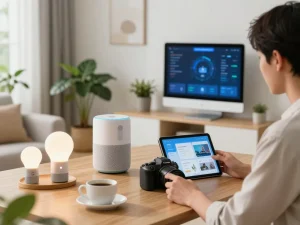
Engaged individual setting up tech gadgets for home in a modern living room, showcasing smart speakers and devices.

Introduction to Tech Gadgets for Home

In the modern age, technology has seamlessly woven itself into our daily lives, transforming how we interact with our homes. From controlling lights with a voice command to smart kitchen appliances that can prepare meals at the touch of a button, the emergence of tech gadgets has redefined what we once considered normal. Tech gadgets for home are now not just luxury items but essential tools that enhance our lifestyle and improve our overall efficiency. This article delves into the significance of these devices, how they can simplify everyday tasks, and the latest trends that are shaping home technology for 2026.

Definition and Importance of Tech Gadgets

Tech gadgets refer to a wide range of devices designed to improve the functionality of our living spaces. They include everything from smart speakers and home security systems to energy-efficient appliances and health monitoring devices. The importance of these gadgets lies in their ability to communicate, automate and simplify daily activities, creating a more convenient and efficient home environment.

As more homeowners embrace the concept of a smart home, these gadgets are becoming integral to enhancing security, conserving energy, and even improving our health. For instance, smart thermostats can optimize heating and cooling based on your schedule, while smart locks allow for secure access without physical keys.

How Smart Devices Transform Daily Life

The integration of smart devices into our homes has revolutionized daily tasks. Imagine waking up to a home that adjusts to your preferences—lights gradually brightening, coffee brewing, and the thermostat setting to your preferred temperature. Smart devices not only provide comfort but also contribute to saving energy and enhancing security.

Furthermore, they enable us to monitor our homes remotely through smartphones, providing peace of mind when we are away. The rise of voice-activated assistants has made it easier to control various aspects of our homes, making technology more accessible to everyone, regardless of their tech-savviness.

Emerging Trends in Home Technology for 2026

As we look toward the future, several trends are shaping the landscape of home technology. One major trend is the increased integration of artificial intelligence (AI) in smart home devices, allowing for more personalized experiences. Additionally, advancements in IoT (Internet of Things) enable devices to communicate more seamlessly, creating a more interconnected home ecosystem.

Moreover, sustainability is becoming a focal point for consumers, leading to a rise in energy-efficient devices that reduce environmental impact. From solar-powered gadgets to smart energy management systems, homeowners are increasingly seeking products that contribute to a greener future.

Top 10 Tech Gadgets for Home in 2026

With technology constantly evolving, numerous gadgets promise to enhance your home experience. Below are ten of the most noteworthy tech gadgets that you should consider incorporating into your home in 2026.

Smart Home Hubs: Central Control Systems

Smart home hubs serve as the central nervous system of your smart home, allowing different devices to communicate and work together. Systems like Samsung SmartThings or Amazon Echo Plus facilitate the management of multiple devices from a single interface, either through an app or voice commands. This convenience not only simplifies control but also enhances automation, allowing settings to be adjusted based on the time of day or household routines.

Energy-Efficient Smart Lighting Solutions

Smart lighting solutions, such as Philips Hue or LIFX, provide flexibility and energy efficiency. Homeowners can adjust brightness and color temperature from their smartphones or set schedules to optimize energy use. The convenience of voice control adds another layer of usability, making it easy to create ambiance or ensure that lights are off when no one is home.

Innovative Home Security Devices

Home security has evolved dramatically with the introduction of smart devices. Cameras like the Ring Video Doorbell offer real-time monitoring and alerts directly to your phone, regardless of your location. Additionally, smart locks can provide secure access for guests without the need for physical keys, enhancing both security and convenience.

Choosing the Right Tech Gadgets for Your Home

Investing in tech gadgets is an exciting process, but it requires careful consideration to ensure that your purchases align with your needs and lifestyle. Here’s how to choose the right gadgets for your home.

Assessing Your Home’s Needs

Before purchasing any tech gadget, assess your home’s specific needs. Consider factors such as how many people live in your home, your daily routines, and any existing technology. For example, if you often forget to turn off lights, smart lighting solutions could be beneficial. Alternatively, families with pets may want to invest in smart home security devices to monitor their pets while away.

Compatibility and Integration Factors

When selecting gadgets, ensure compatibility with your existing systems. Many devices are designed to work within specific ecosystems, such as Apple HomeKit, Google Assistant, or Amazon Alexa. Therefore, it is crucial to verify that new purchases will integrate seamlessly with your preferred smart home system.

Budgeting for Smart Technology Investments

Smart gadgets can vary significantly in price, so it’s important to create a budget before diving into the smart home market. Determine what you’re willing to spend and prioritize devices that will provide the most value to your home, such as security systems or energy-efficient appliances. Remember to factor in ongoing costs such as subscriptions for services or features.

Installation and Setup of Tech Gadgets

Proper installation is essential for maximizing the functionality of your tech gadgets. Here, we’ll provide a brief guide on how to navigate installation and setup processes effectively.

Step-by-Step Installation Processes

Most tech gadgets come with straightforward installation instructions, yet the steps may vary depending on the device. For instance, smart lighting typically involves replacing your bulbs and connecting the app, while security cameras might require mounting and Wi-Fi setup. Always refer to the user manual for specific guidance.

Common Installation Pitfalls to Avoid

One common pitfall during installation is overlooking the placement of devices. For example, smart cameras should be positioned to cover key entry points while ensuring that Wi-Fi signals are strong. Additionally, failing to update firmware can lead to connectivity issues; hence, always check for updates post-installation.

Maximizing Functionality of Your Devices

After installation, take the time to explore all the features of your devices. Many gadgets have hidden functionalities that can enhance your experience, such as setting routines or integrating with other systems for comprehensive automation. Regularly reviewing your settings may yield new ways to optimize performance as technology continues to evolve.

Future of Tech Gadgets in Home Living

The future of tech gadgets in home living is bright, with continued advancements promising to further enhance our lifestyles. From AI integrations to smart home automation, consumers are set to enjoy even greater convenience and efficiency.

Predictions for Home Automation in 2026 and Beyond

Predictions for the future include a more significant reliance on AI to anticipate user needs, making homes more intuitive. For example, refrigerators might suggest recipes based on available ingredients, while thermostats could learn preferences and adjust settings without manual input.

Impact of AI and Machine Learning on Home Gadgets

AI and machine learning are set to revolutionize how we interact with our gadgets. By analyzing user patterns, devices can adapt to behavior, optimizing resource use and enhancing security. As these technologies mature, the line between human control and intelligent automation will blur, making homes smarter and more responsive than ever.

Consumer Trends Influencing Home Technology Purchases

Consumer trends such as increased environmental awareness and the desire for convenience will dictate the development of new gadgets. As more people seek energy-efficient and sustainable options, manufacturers will respond by creating tech gadgets that align with these values, paving the way for a greener future.

What are the benefits of tech gadgets for home?

Tech gadgets offer numerous benefits, including increased convenience, enhanced security, and energy efficiency. They simplify tasks, providing more time for leisure and ensuring that homes are safer and more comfortable environments.

How do smart home devices improve energy efficiency?

Smart home devices improve energy efficiency by allowing homeowners to control energy use through smart scheduling, automation, and real-time monitoring. For example, smart thermostats can adjust heating and cooling based on occupancy, significantly reducing energy bills.

What tech gadgets should I consider for my home?

Consider gadgets that enhance your daily life, such as smart speakers for voice control, smart lighting for efficiency, and home security systems for peace of mind. Tailor your choices based on your lifestyle and home’s specific needs.

Are tech gadgets easy to install for non-tech savvy individuals?

Many tech gadgets are designed for easy installation, often requiring little more than following simple instructions. However, for those who feel overwhelmed, professional installation services are often available and worth considering.

What are the top trends in home technology for 2026?

Top trends include increased use of AI for smarter automation, a focus on energy-efficient devices, and an emphasis on security solutions that seamlessly integrate with everyday life. Sustainability and user-friendliness will remain top priorities for manufacturers as consumers demand smarter solutions.